



Shoulder pain is one of the most common musculoskeletal complaints affecting adults of all ages. While many shoulder problems improve with rest, physiotherapy, and activity modification, some conditions may require assessment by a specialist shoulder surgeon.
If you are experiencing ongoing shoulder pain, weakness, stiffness, instability, or difficulty sleeping due to your symptoms, it may be time to seek expert advice from a shoulder surgeon in Perth.
What Does a Shoulder Surgeon Do?
A shoulder surgeon is an orthopaedic surgeon with advanced training and expertise in diagnosing and treating conditions affecting the shoulder joint.
This may include both non-surgical and surgical treatment of conditions such as:
- Rotator cuff tears
- Shoulder bursitis and impingement
- Frozen shoulder
- Shoulder instability and dislocations
- Shoulder arthritis
- Labral and SLAP tears
- Biceps tendon problems
- Fractures around the shoulder
Modern shoulder surgery ranges from minimally invasive arthroscopy through to complex shoulder replacement surgery.
Common Symptoms That May Need Specialist Assessment
Persistent Shoulder Pain
Pain that continues despite physiotherapy, medications, injections, or rest may indicate underlying structural damage within the shoulder.
Night pain — particularly pain when lying on the affected side — is commonly associated with rotator cuff pathology and shoulder inflammation.
Weakness or Loss of Function
Difficulty lifting the arm, reaching overhead, or loss of strength can suggest a rotator cuff tear or tendon dysfunction.
Patients often notice:
- weakness lifting objects
- difficulty reaching shelves
- trouble washing hair
- loss of sporting performance
Shoulder Instability or Dislocations
If the shoulder feels like it “slips out,” dislocates, or feels unstable during activity, specialist assessment is important — particularly in younger or active patients.
Recurrent instability can lead to progressive damage to the cartilage, labrum, and bone over time.
Stiffness and Loss of Motion
Conditions such as frozen shoulder or advanced arthritis can significantly limit shoulder movement and affect sleep, work, and quality of life.
Do All Shoulder Problems Need Surgery?
No. Many shoulder conditions improve with:
- physiotherapy
- strengthening programs
- activity modification
- anti-inflammatory medication
- corticosteroid injections
An experienced shoulder surgeon will usually explore non-operative treatment where appropriate before considering surgery.
However, some conditions are less likely to improve without surgical treatment, including:
- large rotator cuff tears
- recurrent shoulder instability
- advanced shoulder arthritis
- certain tendon ruptures
- fractures
Early assessment can help determine the most appropriate treatment pathway.
Common Shoulder Surgery Procedures
Shoulder Arthroscopy
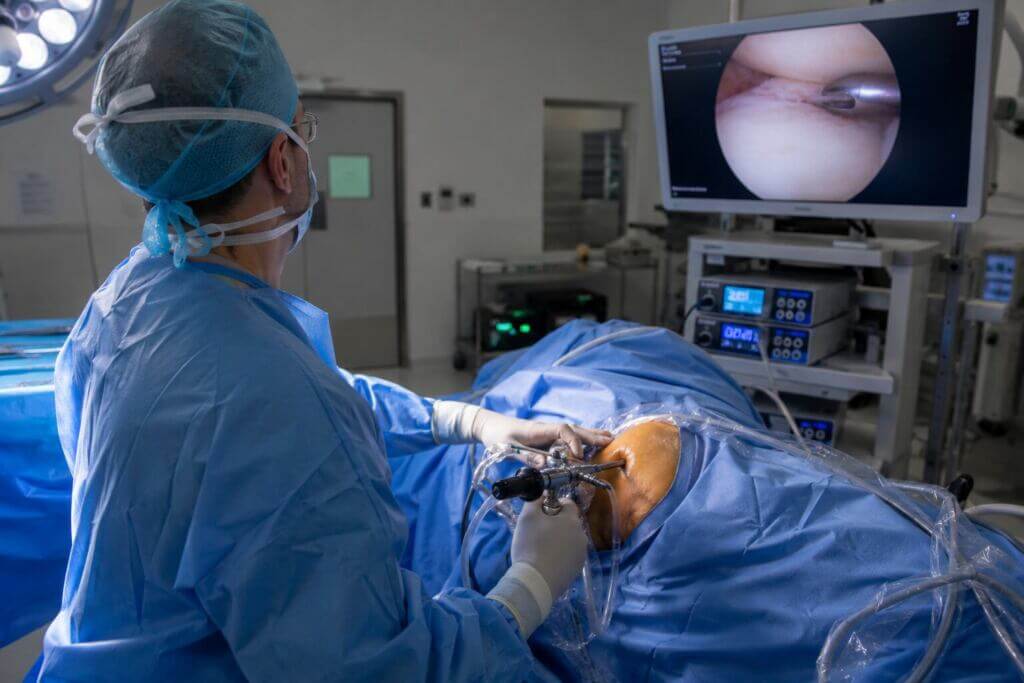
Arthroscopy is a minimally invasive technique using small incisions and a camera to treat problems within the shoulder joint.
It may be used for:
- rotator cuff repair
- stabilisation surgery
- labral repair
- bursitis and impingement
- biceps procedures
Rotator Cuff Repair
Rotator cuff tears are one of the most common causes of shoulder pain and weakness in adults.
Surgery may be recommended when:
- pain persists despite treatment
- weakness is significant
- the tear is large or progressing
- function is deteriorating
Shoulder Replacement Surgery
Shoulder replacement may be considered for advanced arthritis or irreparable rotator cuff damage.
Modern techniques include:
- anatomic total shoulder replacement
- reverse shoulder replacement
These procedures can provide substantial pain relief and improve function in appropriately selected patients.
Why See a Fellowship-Trained Shoulder Surgeon?
The shoulder is one of the most complex joints in the body, requiring detailed understanding of:
- biomechanics
- tendon pathology
- instability patterns
- arthroscopic techniques
- shoulder replacement technology
A surgeon with a dedicated focus on shoulder conditions can provide comprehensive assessment and discuss both surgical and non-surgical options tailored to the individual patient.
Research and Modern Shoulder Surgery
Shoulder surgery continues to evolve rapidly with advances in:
- arthroscopic techniques
- implant design
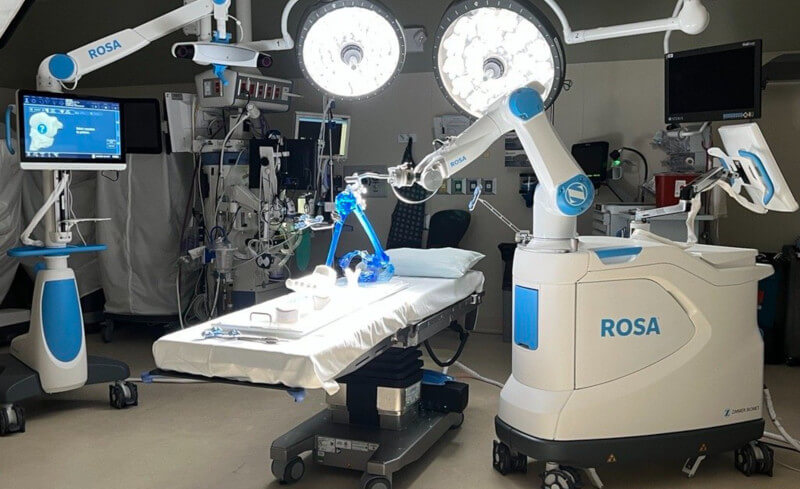
- 3D surgical planning
- reverse shoulder replacement technology
- rehabilitation protocols
Research and registry data continue to improve understanding of long-term outcomes and help refine modern treatment strategies.
When Should You See a Shoulder Surgeon in Perth?
You should consider specialist assessment if you have:
- persistent shoulder pain lasting more than several weeks
- pain affecting sleep
- weakness or loss of function
- recurrent dislocations
- stiffness limiting daily activities
- failed physiotherapy or injections
- previous shoulder surgery with ongoing symptoms
Early diagnosis may help prevent progression of certain shoulder conditions and allow more treatment options.
Looking for a Shoulder Surgeon in Perth?
If you are experiencing ongoing shoulder problems, assessment by a specialist shoulder surgeon can help determine the cause of your symptoms and discuss the most appropriate treatment options for your individual situation.
Whether treatment involves physiotherapy, injections, arthroscopy, rotator cuff repair, or shoulder replacement surgery, the goal is to reduce pain, restore function, and help patients return to work, sport, and everyday activities.
Book a Consultation in Perth
If shoulder pain is affecting your sleep or quality of life, you can arrange a consultation. Contact Dr William Blakeney.
📞 +61 8 9489 8733
✉️ blakeney@wcortho.com.au
Patients across Perth seeking expert care for shoulder pain, rotator cuff injuries or shoulder arthritis are welcome to attend for assessment.