


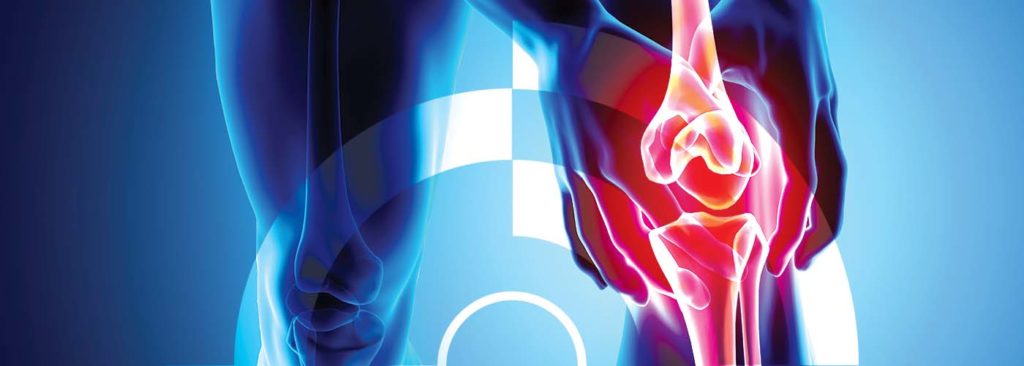
The surgery for patella dislocations depends to a large extent on the cause of the instability. The most common procedures that are used for a dislocating patella are, Medial Patello-Femoral Ligament (MPFL) Reconstruction, Tibial Tubercle Transfer (TTT) and Lateral Release.

Medial Patello-Femoral Ligament (MPFL) Reconstruction
The Medial Patello-Femoral Ligament attaches the inside of your kneecap (patella) and the thigh bone (femur). It is often injured during patella dislocation.
The surgery is done arthroscopically (or keyhole) using small incisions. It involves taking a graft from one of your hamstring tendons and using it to reconstruct the ligament. The graft connecting the two bones helps to prevent the knee cap from dislocating again. The procedure is minimally invasive, meaning smaller incisions, less scarring and less post-operative pain. Minimally invasive procedures also facilitate early rehabilitation and a faster recovery.
Tibial Tubercle Transfer (TTT)
Tibial Tubercle Transfer (TTT) is a realignment procedure. In this procedure, a section of bone where the patellar tendon attaches to the tibia is removed. This bony section is then shifted and properly realigned with the patella and reattached to the tibia using screws.
This procedures is often combined with a lateral release. The lateral soft tissues which contribute to pulling the patella out of the joint are releases using keyhole surgery.
Recovery

Hospital Stay
Usually you will stay in hospital one night. A physiotherapist will visit you the morning after the surgery when you are in hospital.
Mobilisation
You may need crutches for the first 10 days after the operation. You can take full weight on the leg if you wish.
Knee wound
The wounds should be kept dry until the 2 week mark. It is normal for the knee to be swollen. The swelling will decrease over a period of 2 to 4 weeks following the surgery. It should decrease a little each day.
Brace
Brace should be worn at all times (including sleeping) for at least the first two weeks. The only time to come out of the brace is for practicing range of motion exercises. Once your knee feels stable, you can start to walk short distances without the brace. Brace should not be worn beyond 6 weeks.
Pain Relief
Ice packs should be placed on the knee 3 times/day. Take regular Paracetamol (Panadol 1g 3-4 times/day) and anti-inflammatories (Celecoxib 100mg twice daily with food). Use the stronger pain killers (Tapentadol) as required in the first few days.
Follow-up appointment
Your follow-up appointment will be about 2 weeks after the surgery. At this visit your wounds will be checked and sutures will be removed if necessary.
Long-term physiotherapy
Specific physiotherapy is not needed for the first 3-4 weeks following the surgery. You should focus on getting your leg straight and activating the quadriceps muscles. The exercises that you were shown in hospital are all that is required. After the 4 weeks however it is important to see a physiotherapist. This will be required for about 6 months from the time of surgery. It is very important to only carry out activities that are recommended by the physiotherapist. Doing too much too soon may cause problems with the graft fixation. Return to sport is usually after 6 months.
Surgery For Shoulder, Hip and Knee
Hip Surgery
Personalised Hip ReplacementConditions For Shoulder, Hip and Knee
Hip Conditions
Hip ArthritisEnquiry
WA Orthopaedic Consulting Rooms
Perth
St John of God
Medical Clinic
Suite 213
25 McCourt Street,
Subiaco WA 6008
Albany
Great Southern
Specialist Centre,
55 Cockburn Rd ,
Mira Mar WA 6330
Phone: 08 9489 8733
Email: blakeney@wcortho.com.au
Fax: 08 9489 8735
Perth Orthopaedic Operating Theatres
St John of God Hospital
12 Salvado Rd, Subiaco WA 6008