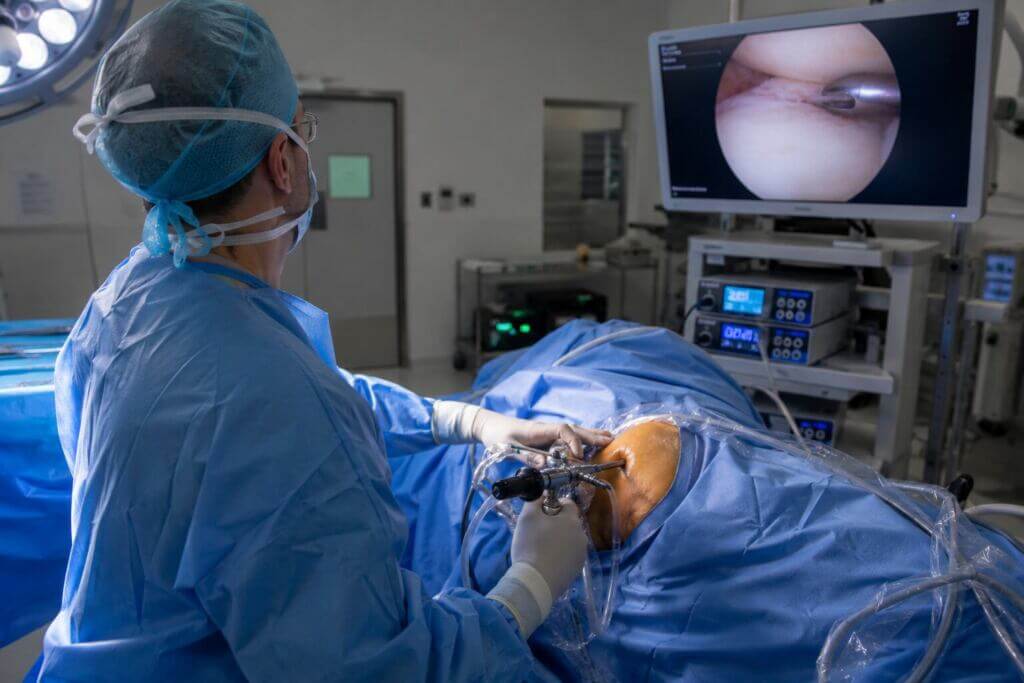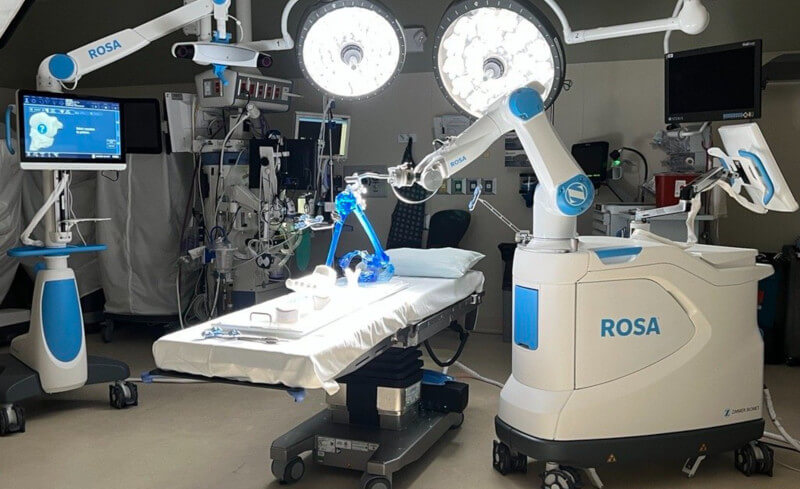





If you are considering a knee replacement surgery, you may be wondering what the difference is between a partial and total knee replacement.
A partial knee replacement is surgery to replace only the diseased or damaged parts of your knee joint. This enables you to retain more of your natural bone, tissue and ligaments.
However, a total knee replacement is surgery to replace your entire knee joint. Here is some information to help you decide which type of Orthopaedic surgery is right for you. Let's take a closer look!
How is the knee divided?
The knee is divided into three compartments: the medial (inner), lateral (outer), and patellofemoral (front). The medial compartment bears most of the weight and stress of the body. The patellofemoral compartment forms the articulation between the kneecap (patella) and thighbone (femur).
What is a partial knee replacement?
A partial knee replacement (PKR) is also called a unicondylar knee replacement. In this procedure, only the damaged compartment of the knee is replaced with an artificial joint. The healthy bone and tissue are left intact.
It is most often performed to treat arthritis in the knee. Arthritis is a degenerative disease that causes the cartilage in the joint to break down. This can lead to pain, swelling, and stiffness.
What is a total knee replacement?
In a total knee replacement (TKR), all three compartments of the knee are replaced with artificial joint surfaces. A TKR is also called a tricompartmental or total endoprosthetic knee replacement.
The most common cause of knee pain that leads to a total knee replacement is osteoarthritis. Other conditions that can lead to knee pain and may require a TKR include:
- Rheumatoid arthritis
- Post-traumatic arthritis
- Juvenile arthritis
What makes them different?
The primary difference between a partial and total knee replacement is the amount of bone and tissue that is removed and replaced. In a partial knee replacement, only the damaged compartment is replaced. In a total knee replacement, all three compartments are replaced.
Age and activity level are also important considerations. Partial knee replacements are typically recommended for patients who are younger and more active. This is because there is a risk that the artificial joint may fail over time and require revision surgery.
Total knee replacements are considered to be more durable and are often recommended for older patients or those with a less active lifestyle.
Both procedures are performed under general anaesthesia and take approximately two hours. Recovery times vary depending on the individual, but most people can expect to be up and walking within a few days of surgery.
Which option is right for you?
The decision to proceed with partial or total knee replacement surgery is based on several factors. An orthopaedic surgeon will monitor the severity of your arthritis, your age and activity level, and any other health conditions you may have. If you have arthritis in more than one compartment of your knee, you may not be a candidate for partial knee replacement. In this case, total knee replacement would be the best option.
If you’re looking for an orthopaedic surgeon in Perth, get in touch to organise a consultation to determine the most suitable treatment for you.