


What is a rotator cuff tear?
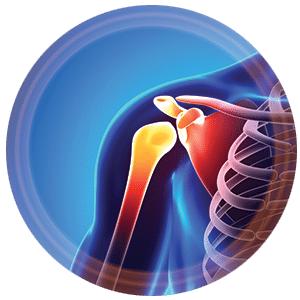
A rotator cuff tear is a common cause of shoulder pain and disability in adults. The rotator cuff tendons cover the head of the humerus, allowing you to lift and rotate your arm. When one of the rotator cuff tendons is torn, the tendon no longer attaches to the head of the humerus, which will cause weakness in your shoulder. This means that many daily activities, like combing your hair or getting dressed, may become painful and difficult to do. Most tears occur in the supraspinatus tendon, but other parts of the rotator cuff may also be involved. Tendon tears occur more commonly in people over the age of 40.
What are the causes of rotator cuff tear?

Acute Tear
An injury to your shoulder will often cause a rotator cuff tear. Common mechanisms of injury include falls onto your outstretched arm or lifting something too heavy with a jerking motion. It can also occur with other shoulder injuries, such as a dislocated shoulder.
Degenerative Tear
Many tears are the result of degenerative wearing down of the tendon that occurs slowly over time, as we age. If you have a degenerative tear in one shoulder, there is a high likelihood of developing a rotator cuff tear in the opposite shoulder.
Several factors contribute to degenerative, or chronic, rotator cuff tears.
- Repetitive stress. Repeating the same shoulder movements again and again can damage your rotator cuff muscles and tendons over time. Many physical jobs and routine chores can cause overuse tears. They are also commonly seen in sportspeople.
- Bone spurs. As we age, bone spurs (bone overgrowth) often develop on the underside of the acromion bone. When we lift our arms, the spurs rub on the rotator cuff tendon. This condition is called shoulder impingement, and over time will weaken the tendon and make it more likely to tear.
- Poor blood supply. As we age, the blood supply in our rotator cuff tendons weakens impairing the body's natural ability to repair tendon damage.
What are the types of rotator cuff tears?
- Full-thickness tear. This type of tear is a complete tear that separates all of the tendon from the bone. A full-thickness tear, will not heal without shoulder surgery.
- Partial thickness tear. This type of tear is an incomplete tear where part of the tendon thickness is torn, but not completely severed from bone. This has some capacity to heal itself.
What are the symptoms of rotator cuff tears?
Acute tears following a fall or injury will present with severe pain and immediate weakness of the shoulder. You may feel a snapping sensation.
With degenerative tears, the symptoms may develop slowly over time. The most common symptoms of a rotator cuff tear include:
- Pain at rest and at night, particularly if lying on the affected shoulder
- Pain when lifting and lowering your arm or with specific movements
- Weakness when lifting or rotating your arm
Some tears are not painful, but may just cause weakness.
How do you make a diagnosis of rotator cuff tear?
After taking a concise and directed medical history, your shoulder will be examined.
During the examination, I will look for:
- Wasting of the muscles
- Swelling and redness
- Pain to touch or palpation
- Range of motion
- Strength or weakness of the muscles
- Signs of previous injuries
Radiological imaging such as X-Rays will give information about the bones whether there are any bony spurs. Ultrasound and MRI scan look specifically at the rotator cuff tendons.
Treatment options for rotator cuff tears
If you have a rotator cuff tear and you keep using it despite increasing pain, you may cause further damage. A rotator cuff tear can get larger over time and may become irreparable if left too long. Early treatment can prevent your symptoms from getting worse.
Non-operative Treatment
- Rest or activity modification.
- Physiotherapy may improve the strength and movement of your shoulder.
- Simple painkillers, such as anti-inflammatory medications (NSAIDs) or Panadol, may reduce inflammation and pain.
- Cortisone injections in the shoulder can be helpful, but the effect is often temporary.
Surgical Treatment
Surgery may be recommended immediately for full thickness tears, particularly for acute tears. Delaying surgery may lead to tear progression and to the tear becoming irreparable.
With partial thickness tears, ongoing pain not responding to non-operative treatment may be an indication for surgery. Significant weakness or loss of function in your shoulder is another indication.
Surgery to repair a torn rotator cuff tendon involves re-attaching the tendon to the head of humerus, from where it has torn off.
Continue to next page: Rotator Cuff Surgery
Shoulder Rehabilitation in Perth
Rotator Cuff Rehabilitation Perth
These videos have been produced in collaboration with Perth Sports Physio to help you with your shoulder rehabilitation. You should be doing these exercises 3-5 times a day. You should do 1-2 circuits each time.
Surgery For Shoulder, Hip and Knee
Hip Surgery
Personalised Hip ReplacementConditions For Shoulder, Hip and Knee
Hip Conditions
Hip ArthritisEnquiry
WA Orthopaedic Consulting Rooms
Perth
St John of God
Medical Clinic
Suite 213
25 McCourt Street,
Subiaco WA 6008
Albany
Great Southern
Specialist Centre,
55 Cockburn Rd ,
Mira Mar WA 6330
Phone: 08 9489 8733
Email: blakeney@wcortho.com.au
Fax: 08 9489 8735
Perth Orthopaedic Operating Theatres
St John of God Hospital
12 Salvado Rd, Subiaco WA 6008