




Rotator cuff tears are one of the most common causes of shoulder pain managed by orthopaedic surgeons in Perth and across Australia. If you’ve been diagnosed with a rotator cuff tear, the key question is often:
Do I need surgery, or can it be treated without an operation?
The answer depends on the type of tear, your symptoms, and your goals. This article summarises what the best available evidence says.
What Is a Rotator Cuff Tear?
The rotator cuff consists of four tendons that stabilise the shoulder and allow lifting and rotation of the arm. Tears may occur due to:
- A traumatic injury, such as a fall
- Repetitive overhead activity
- Age-related tendon degeneration
Rotator cuff tears are commonly classified as:
- Partial-thickness tears
- Full-thickness tears
Treatment Options for Rotator Cuff Tears
Conservative (Non-Surgical) Treatment
Non-operative management is often the first-line treatment in Perth and Australia, particularly for degenerative tears.
Conservative treatment may include:
- Structured physiotherapy
- Activity modification
- Anti-inflammatory medication
- Targeted injections in selected cases
Many patients experience meaningful improvement without surgery when managed with a supervised rehabilitation program.
Surgical Treatment
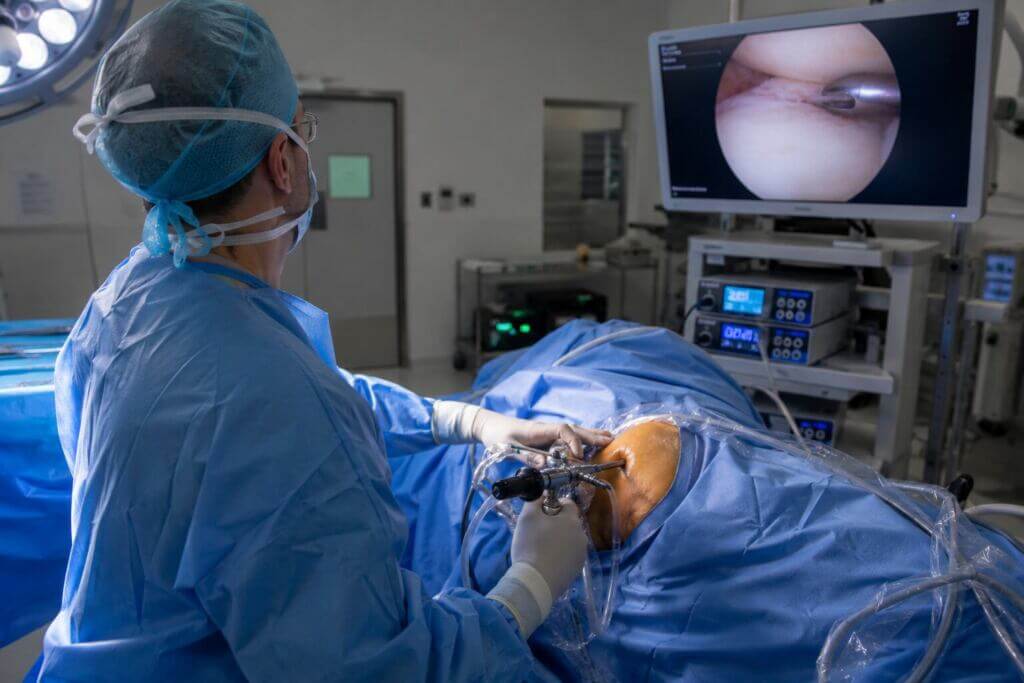
Surgical repair involves reattaching the torn tendon to bone, most commonly performed using arthroscopic (keyhole) shoulder surgery. The goal of surgery is to restore strength, improve function, and reduce the risk of tear progression in selected patients.
What Does the Evidence Show?
Short-Term Pain Relief
High-quality studies show that conservative treatment often provides significant pain relief, particularly for:
- Partial tears
- Small degenerative full-thickness tears
- Older patients with lower physical demands
At 6–12 months, pain relief is often similar between surgery and non-surgical treatment.
Functional Outcomes
Randomised controlled trials and meta-analyses demonstrate:
- Comparable shoulder function at 1–2 years for many degenerative rotator cuff tears
- Surgery results in better tendon healing on MRI, though this does not always correlate with improved symptoms
Across Australian and international studies, approximately 40–60% of patients avoid surgery following a structured physiotherapy program.
When Does Surgery Perform Better?
Surgery is more likely to provide superior outcomes when:
- The tear occurred after a clear traumatic injury
- There is objective weakness or loss of shoulder function
- The patient is younger or physically active
- Symptoms persist despite 3–6 months of appropriate physiotherapy
In these situations, early surgical repair may improve strength and long-term durability.
Will a Tear Get Worse Without Surgery?
This is a common concern.
Evidence suggests:
- Some tears increase in size over time
- Many remain stable and asymptomatic
- Surgery may reduce the risk of tear progression, but does not guarantee pain relief
Importantly, tear size progression does not always correlate with worsening symptoms.
Surgery vs Conservative Care: Risks and Recovery
Rotator Cuff Surgery
Potential benefits
- Structural tendon healing
- Improved strength in selected patients
- Reduced risk of tear progression
Potential risks
- Shoulder stiffness
- Infection
- Re-tear (reported in 10–20% of cases depending on tear size and tissue quality)
Typical recovery timeline
- Sling use: 4–6 weeks
- Physiotherapy: 3–6 months
- Return to higher-demand activities: 6–9 months
Conservative Treatment
Benefits
- Avoids surgical risk
- Faster early return to daily activities
- Cost-effective
Limitations
- Strength may not fully recover
- Some patients experience persistent symptoms
How Is the Decision Made?
The decision between surgery and conservative treatment should be individualised, taking into account:
- MRI findings
- Shoulder strength and function
- Age and activity level
- Response to physiotherapy
- Personal goals and expectations
A detailed clinical assessment is essential.
The Bottom Line
- Many rotator cuff tears can be managed successfully without surgery
- Surgery offers advantages in selected patients, particularly after trauma or failed rehabilitation
- A structured trial of physiotherapy helps determine who is most likely to benefit from surgery
Consultation with an experienced shoulder specialist in Perth allows treatment to be tailored to the individual rather than the MRI alone.