




By Dr William Blakeney – Orthopaedic Shoulder, Hip, Knee & Trauma Surgeon, SJOG Subiaco
Why Shoulder Surgery Might Be Right for You
Shoulder pain can limit your work, sport, and even sleep. In 2025, advances in surgical techniques mean patients can expect shorter recovery times, better outcomes, and less post-operative discomfort than ever before.
Common conditions that may need surgery include:
- Rotator cuff tears
- Shoulder arthritis
- Labral tears
- Recurrent instability
- Severe fractures
If non-surgical treatments such as physiotherapy, injections, and activity modification haven’t relieved your symptoms, it may be time to see an orthopaedic shoulder surgeon in Perth for an assessment.
Types of Shoulder Surgery
1. Arthroscopic Shoulder Surgery
- Minimally invasive: small incisions, quicker recovery
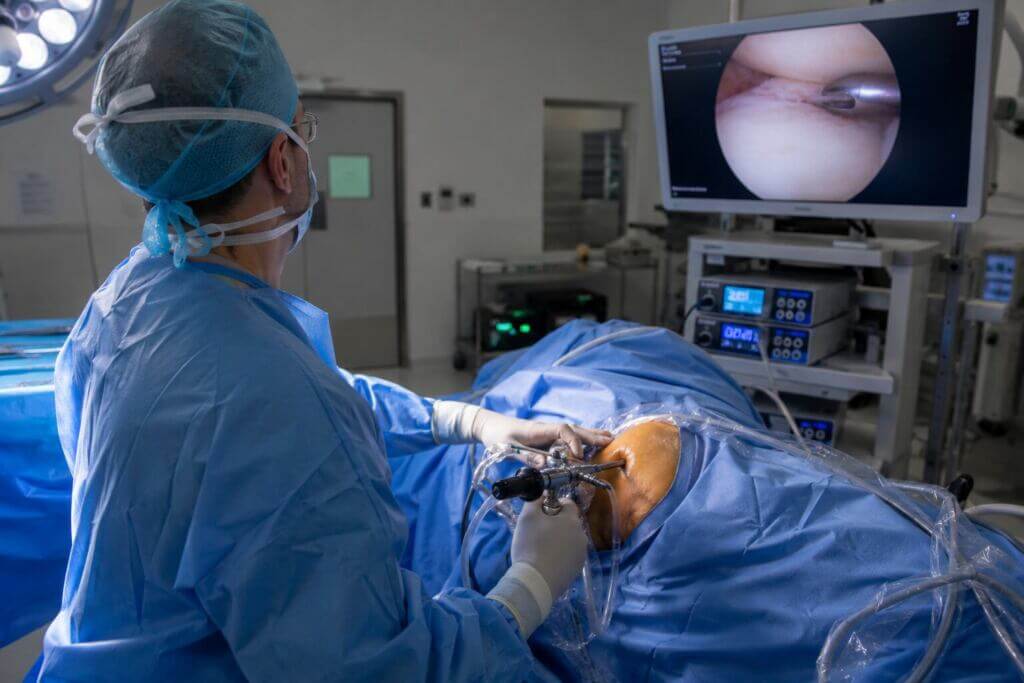
- Used for labral repairs, rotator cuff repairs, and subacromial decompression
- Learn more about shoulder arthroscopy
2. Rotator Cuff Repair
- Reattaches torn tendons to bone
- Can be arthroscopic or open, depending on tear size and tissue quality
- More info: rotator cuff repair surgery
3. Shoulder Replacement (Anatomic & Reverse)
- Anatomic TSA: for arthritis with intact rotator cuff
- Reverse TSA: for cuff-deficient shoulders or complex fractures
- See our page on shoulder replacement surgery
4. Stabilisation Surgery
- Bankart repair or Latarjet for recurrent dislocations
- Especially important for young, active patients with traumatic anterior instability
- Learn more: shoulder stabilisation
What to Expect Before Surgery
- Assessment: Clinical examination and imaging (X-ray, MRI, ultrasound)
- Prehab: Exercises to maintain mobility and strength before surgery
- Planning: Discussion about anaesthesia, risks, benefits, and expected outcomes
On the Day of Surgery
- Usually performed under general anaesthetic
- Duration varies from 45 minutes (arthroscopy) up to 2 hours (shoulder replacement)
- Most arthroscopic procedures are overnight surgery; replacements may require 1–2 nights in hospital
Recovery Timeline
| Surgery Type | Sling Time | Return to Desk Work | Return to Sport |
|---|---|---|---|
| Arthroscopy | 1–2 weeks | 1–2 weeks | 3–4 months |
| Rotator Cuff Repair | 4–6 weeks | 4–6 weeks | 6–9 months |
| Shoulder Replacement (TSA) | 4-6 weeks | 4–6 weeks | 6 months |
Rehabilitation is essential. Your physiotherapist will guide you through staged exercises to restore mobility, strength, and function.
Outcomes & Benefits
- Reduced pain
- Improved range of motion
- Return to sport, work, and daily activities
When to See a Surgeon
You should book an appointment if:
- Shoulder pain or instability is persistent despite 6+ weeks of physiotherapy
- You have repeated dislocations
- You can’t lift your arm after a fall (possible acute cuff tear)
- Pain disturbs your sleep most nights
- X-rays show advanced arthritis
Book your consultation here: Contact Dr William Blakeney
Frequently Asked Questions (FAQs)
1. How long is recovery from shoulder surgery?
Depends on the procedure — arthroscopy is quickest, replacement is longest. Expect 3–9 months for full recovery.
2. Will I be in a sling?
Yes — duration depends on the surgery type.
3. Can shoulder surgery be done without an overnight stay?
Many arthroscopic surgeries can be same-day; replacements usually require a short hospital stay.
4. Is shoulder surgery painful?
Some discomfort is expected, but modern anaesthetic techniques and pain management protocols make it manageable.
Next Steps
If you’re struggling with shoulder pain or instability, an early specialist review can help you get back to doing what you love.
Contact Dr William Blakeney — Orthopaedic Shoulder Surgeon in Perth — for an expert opinion.