



By Dr William Blakeney – Shoulder Surgeon, Perth
Rotator cuff tears are a common cause of shoulder pain, weakness, and loss of function. One of the most frequent questions patients ask is: “When is the right time to consider rotator cuff repair surgery?”
This guide outlines what to look out for, when surgery may be appropriate, and how Dr William Blakeney helps patients make informed decisions about their shoulder health.
What Is the Rotator Cuff?
The rotator cuff is a group of four muscles and tendons that stabilise the shoulder and help with lifting, reaching, and rotation. Tears can occur through wear-and-tear, overuse, or sudden injury. Some tears remain stable, while others progress—so early assessment is important.
When Should You Consider Rotator Cuff Repair?
1. When Pain Persists Despite Non-Surgical Treatment
Most patients begin with a combination of:
- Physiotherapy
- Activity changes
- Anti-inflammatory medication
- Cortisone injections
If pain continues for 6–12 weeks despite appropriate treatment, a rotator cuff repair may be recommended. Persistent night pain, particularly pain that wakes you, is a common reason patients see Dr Blakeney to discuss surgical options.
2. When You Experience Ongoing Weakness
A full-thickness tear often leads to weakness with:
- Lifting the arm overhead
- Reaching out to the side
- Holding items away from the body
- Everyday tasks such as dressing or carrying groceries
If weakness is interfering with your work, sport, or daily activities, early surgical repair often restores function more effectively than prolonged non-operative treatment.
3. After a Traumatic Injury
A sudden tear—often from a fall, heavy lift, or sporting injury—can lead to immediate weakness and loss of movement. In these cases, early repair provides the best chance of tendon healing.
If you suddenly cannot lift your arm after an injury, Dr Blakeney recommends prompt assessment and imaging.
4. When Imaging Shows a Repairable Tear
MRI or ultrasound assessment may show:
- A full-thickness tear
- A large tear that risks progression
- Partial tears >50% thickness
- Early muscle changes (fatty infiltration)
Repairing the tendon before it retracts or degenerates increases the likelihood of a strong, long-term result.
5. When Shoulder Pain Limits Your Lifestyle
Surgery may be appropriate when symptoms prevent you from:
- Working comfortably
- Participating in sports
- Performing overhead activities
- Maintaining fitness
- Caring for children or completing household tasks
Dr Blakeney focuses on matching treatment to your personal goals, rather than offering a one-size-fits-all approach.
When You May NOT Need Surgery
Many rotator cuff tears can be managed without surgery. You may not require a repair if:
- Pain is mild
- Movement and strength are good
- The tear is small and stable
- You prefer physiotherapy-led management
- Medical conditions make surgery higher risk
Dr Blakeney works closely with Perth physiotherapists to design structured rehabilitation programs when non-operative care is appropriate.
What Happens If a Rotator Cuff Tear Is Left Untreated?
Some tears remain stable. Others may:
- Increase in size
- Become irreparable
- Lead to muscle atrophy
- Cause persistent weakness
- Progress to shoulder arthritis in severe cases
This is why early diagnosis is helpful—even if surgery is not immediately required.
Benefits of Rotator Cuff Repair
Under Dr Blakeney’s care, rotator cuff repair aims to:
- Reduce pain
- Restore shoulder strength
- Improve sleep
- Enhance function and mobility
- Prevent long-term tendon deterioration
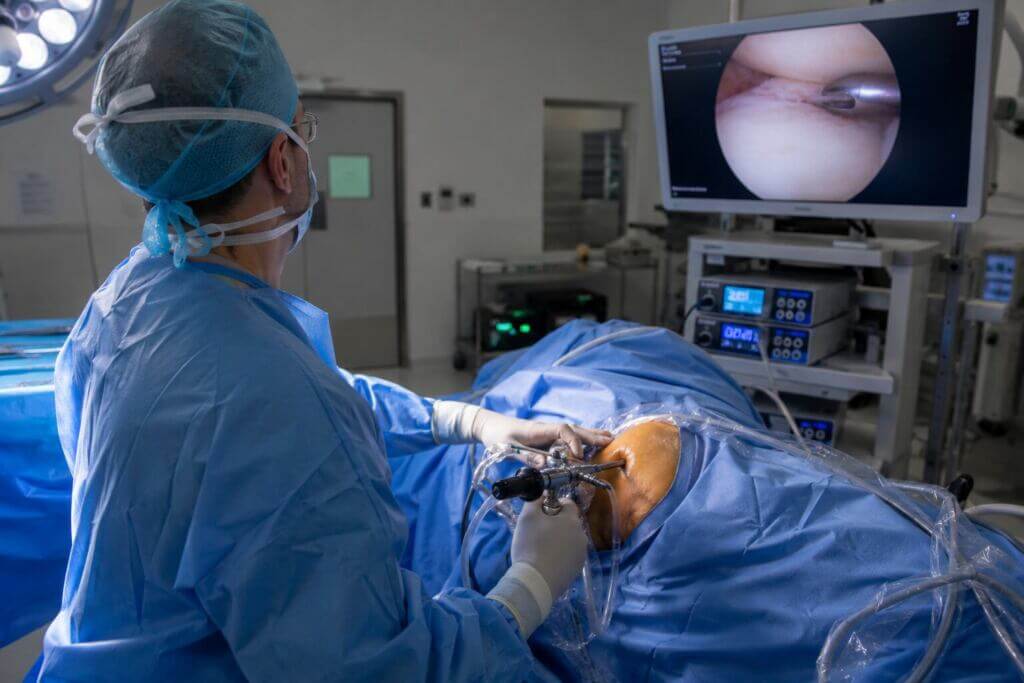
Modern arthroscopic repair techniques use small incisions and strong suture-anchor fixation to encourage reliable healing.
How Dr William Blakeney Performs Rotator Cuff Repair
Rotator cuff repairs are performed:
- Arthroscopically (keyhole surgery)
- Under general anaesthetic
- Using small portals and a high-definition camera
- With suture anchors securing the tendon back to bone
For larger or complex tears, Dr Blakeney may recommend patch augmentation, a technique that provides additional support to the repair.
When to See Dr William Blakeney
You should book a consultation if you experience:
- Shoulder pain that persists or worsens
- Weakness or loss of function
- Sudden loss of shoulder strength after an injury
- Recurrent night pain
- Difficulty performing overhead or active tasks
A clinical assessment, physical examination, and tailored imaging review help determine whether physiotherapy or surgery is best suited to your situation.
Rotator Cuff Repair with Dr William Blakeney – Perth
Dr Blakeney is an experienced shoulder surgeon in Perth with a special interest in minimally invasive arthroscopic techniques, complex tendon tears, and evidence-based rehabilitation pathways. He ensures each patient receives a clear explanation of their diagnosis, treatment options, expected outcomes, and recovery timeline.
Further reading:
- Rotator Cuff Tears
- Shoulder Surgery with Dr Blakeney
- Rotator Cuff Repair
- Rotator Cuff Rehabilitation
Book an Appointment
If you are experiencing shoulder pain or believe you may have a rotator cuff tear, Dr Blakeney is available for consultation.
📍 Perth – (St John of God Medical Clinic, Suite 213, 25 McCourt Street, Subiaco WA 6008)
📧 blakeney@wcortho.com.au
📞 (08 9489 8733)
💻 Enquiry